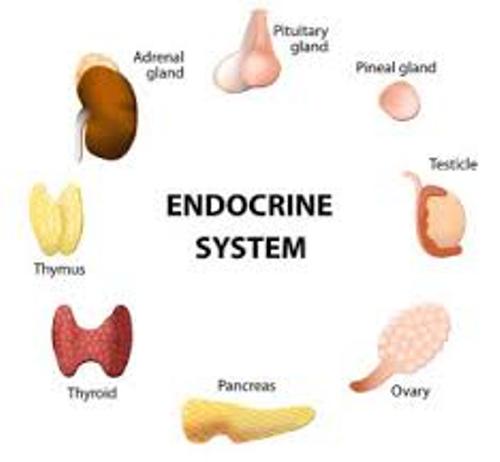
Endocrine System Unlabeled Biology Diagrams The endocrine system consists of glands that make hormones. Your body uses hormones to control growth, development, metabolism, reproduction, mood, and other functions.
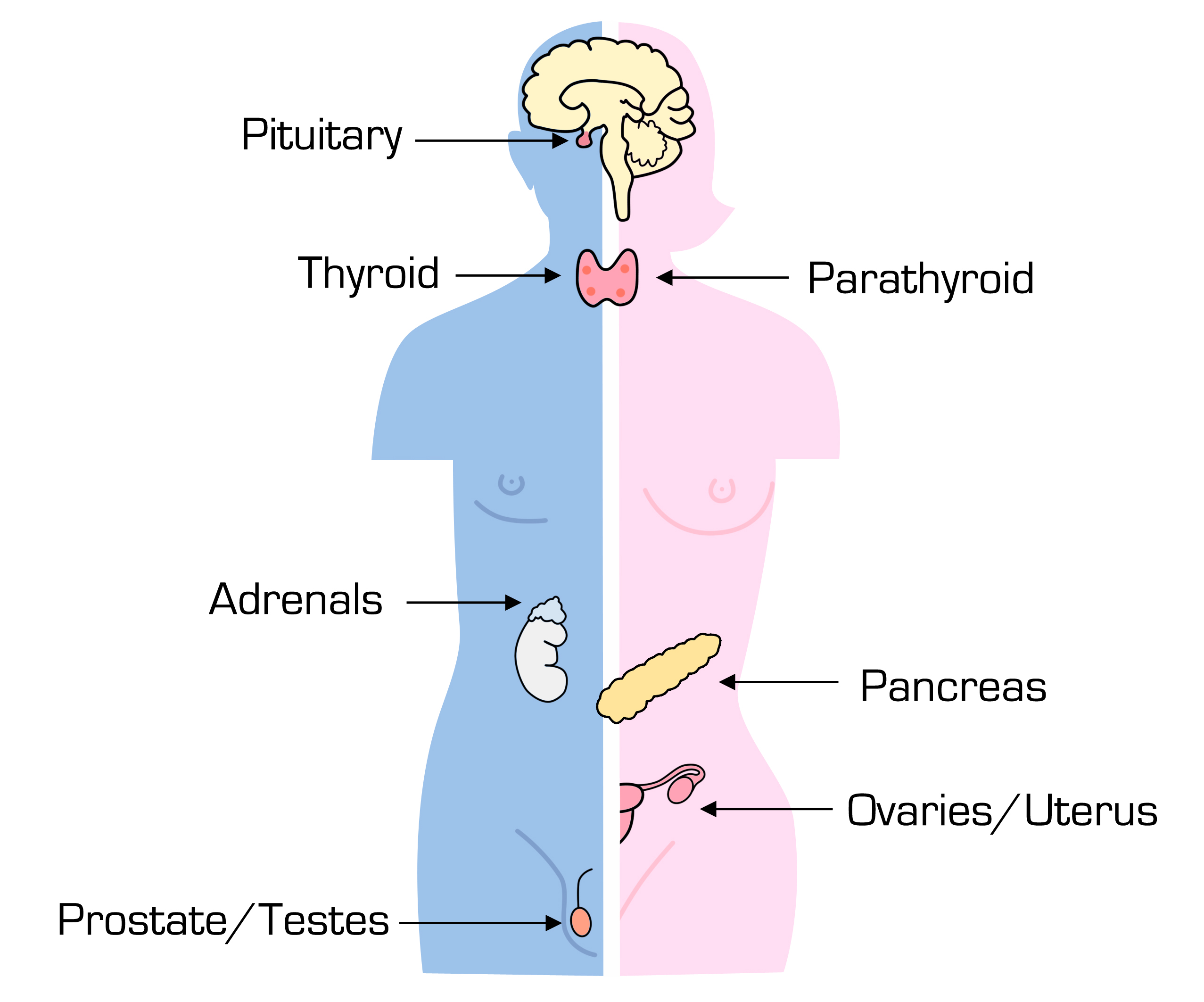
Hypothalamus: This is a structure deep within your brain (which is an organ).It's the main link between your endocrine system and your nervous system.It makes two hormones that your pituitary gland stores and releases (oxytocin and vasopressin) and makes and releases two hormones (dopamine and somatostatin).Pancreas: This organ is in the back of your abdomen (belly).

Definition, Function & Parts Biology Diagrams
The endocrine system, made up of all the body's different hormones, regulates all biological processes in the body from conception through adulthood and into old age, including the development of the brain and nervous system, the growth and function of the reproductive system, as well as the metabolism and blood sugar levels. The endocrine system uses hormones to control and coordinate your body's internal metabolism (or homeostasis) energy level, reproduction, growth and development, and response to injury, stress, and environmental factors. Consider the following hormones and their role in the workings of the endocrine system:

The endocrine system is a network of glands and organs located throughout the body. It's similar to the nervous system in that it plays a vital role in controlling and regulating many of the

Definition, Organs, Function, Structure, Diagram ... Biology Diagrams
The endocrine system is involved in every process of the human body. Starting from the motility of the digestive system, to the absorption and metabolism of glucose and other minerals, hormones can affect a variety of organs in different ways.Some hormones affect the retention of calcium in bones or their usage to power muscle contraction.