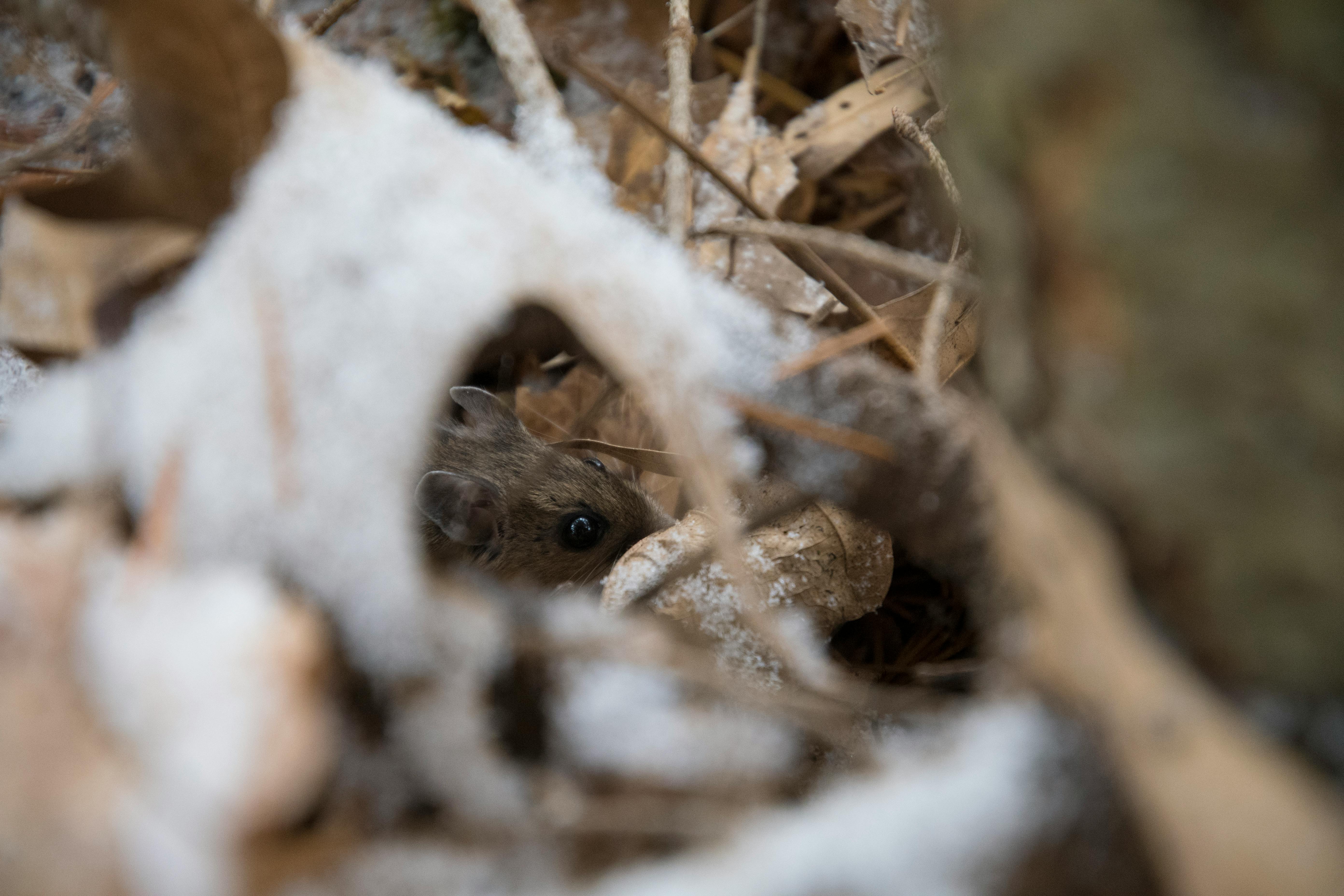
What Do Wild Mice Eat and Drink Biology Diagrams The humble house mouse, a common sight in homes and fields across the globe, is a vital part of the food chain. They are consumed by a wide variety of predators. These include cats, foxes, weasels, ferrets, mongooses, large lizards, snakes, hawks, falcons, and owls .
Study with Quizlet and memorize flashcards containing terms like 1) In the food chain 'grass --> grasshopper --> frog --> snake --> eagle', what organism is the primary consumer?, 1) In the food chain 'grass --> grasshopper --> frog --> snake --> eagle', what organism is the producer?, Which of the following links of the food chain eats decaying matter? and more.
Food Chain Quiz Flashcards Biology Diagrams
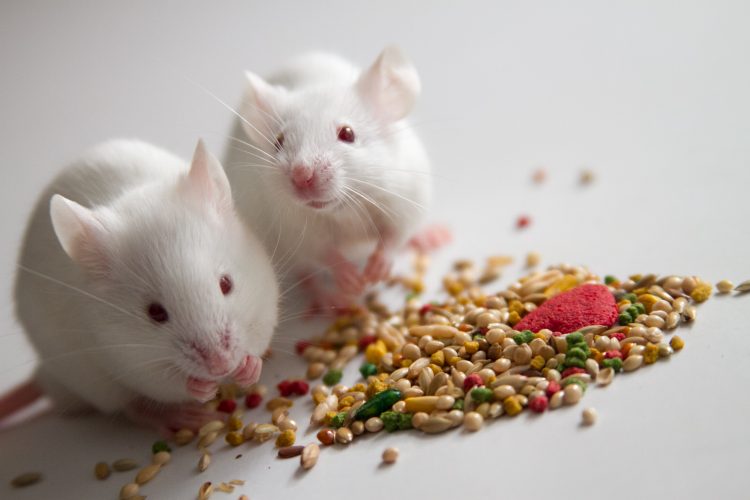
The diet of a pet mouse differs only slightly from that of a wild mouse. They are still typically the predator of a mouse depends on the habitat. In general, mice tend to be pretty low on the food chain. The most common predators of the genus Mus include owls, hawks, skunks, and snakes. Owls are exceptional hunters when it comes to finding

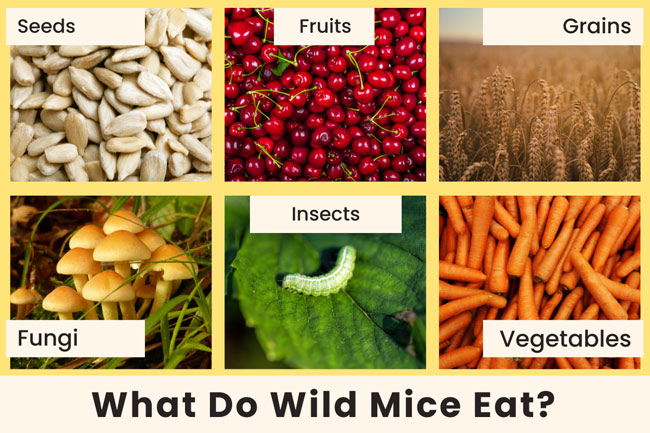
The North American field mouse has a similar diet to that of other species of mice. It is omnivorous , which means that it eats both plant and animal matter. Field mice commonly prey on arthropods, and caterpillars are one of their favorite meals. Their primary plant food source is seeds, though they also eat nuts, flowers, fruits, and fungi.
Food Web Biology Diagrams
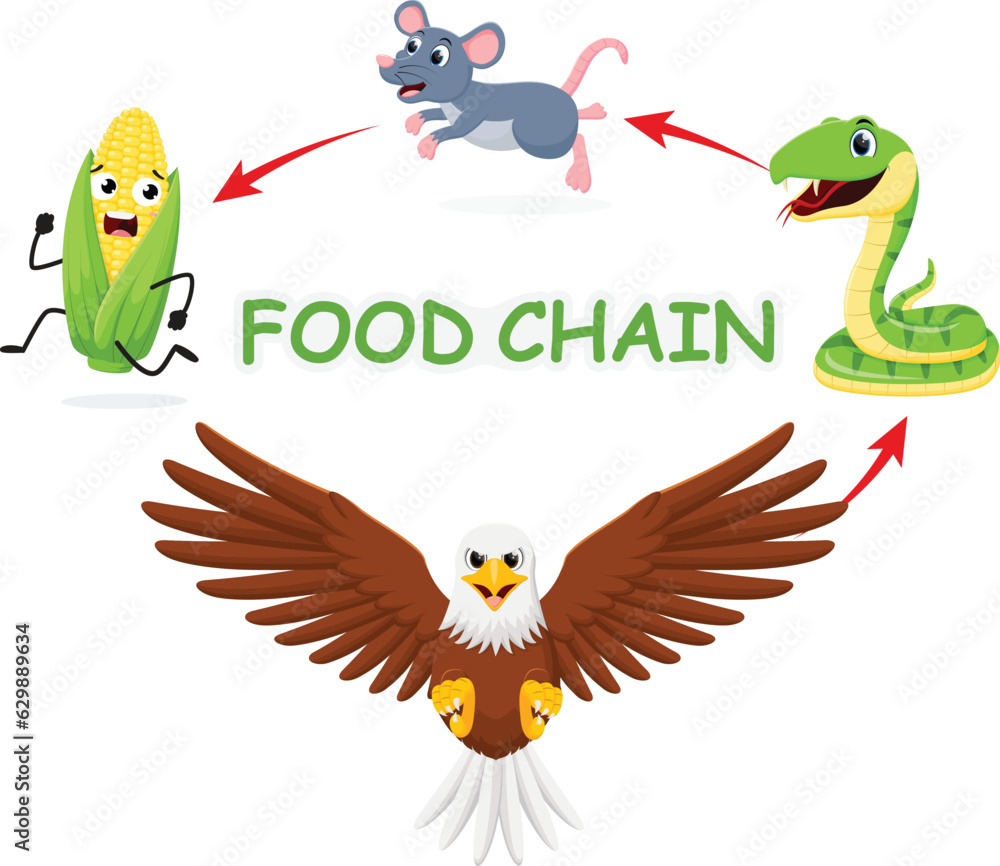
Few mammals are lower on the food chain or closer to the outside of the food web than the mouse. Just about every other carnivorous or omnivorous animal will gladly eat a mouse when given the chance. As for the question of what do mice eat?: In the wild, they eat a variety of seeds, vegetation and insects. What Eats Mice? Gordon Ramel April What many people don't realize is that mice are a keystone species in virtually every terrestrial ecosystem in the world. 1 Take a look at this food-chain pyramid It illustrates from plants upward each animal group that's prey for the levels above it. Plants, at the bottom, are food for herbivores and they, in turn, are food for omnivores